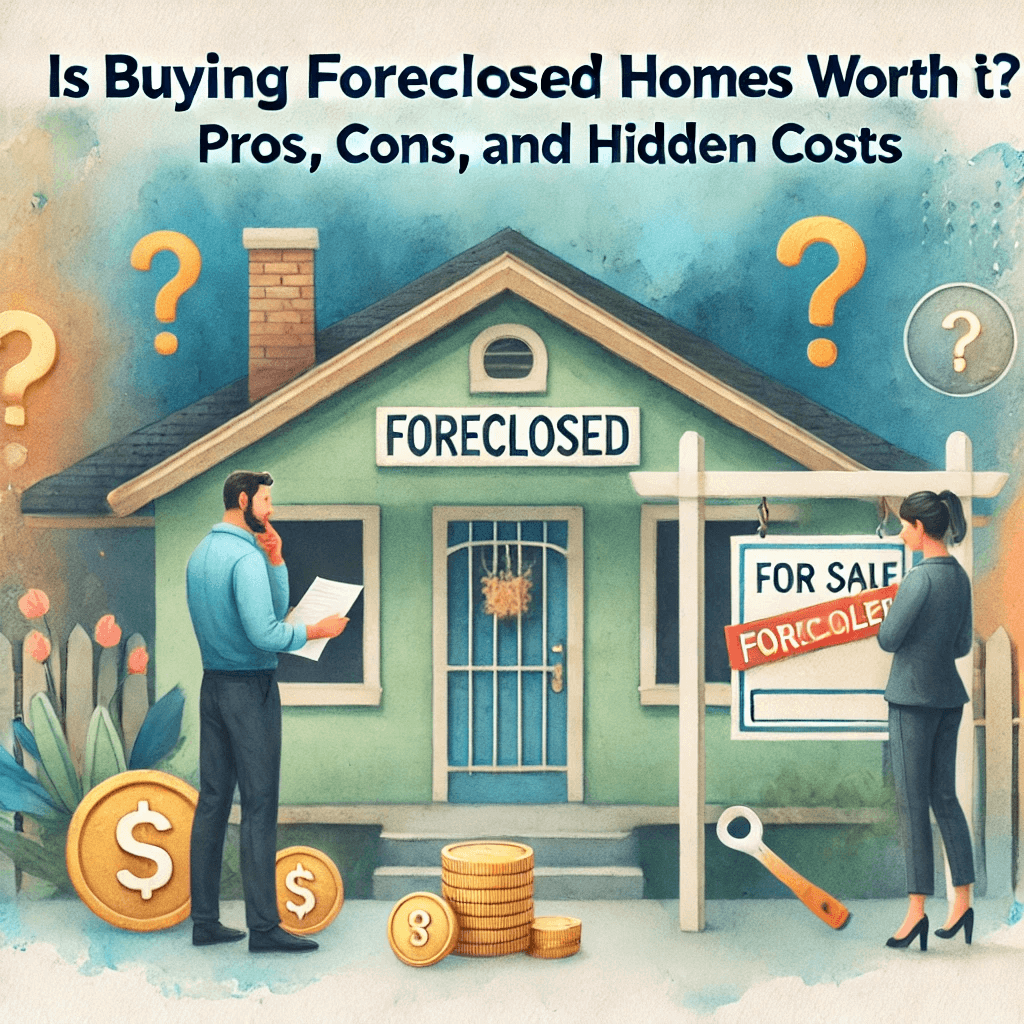
In recent years, more homebuyers and real estate investors have been asking the same question: Is Buying Foreclosed Homes Worth It?
With rising property prices, high mortgage rates, and a growing housing affordability crisis, foreclosed homes often look like an attractive opportunity — a chance to buy property below market value. But behind the potential “bargain” lies a maze of risks, hidden costs, and legal complexities that every buyer should understand before making a move.
In this comprehensive guide, we’ll walk you through what it truly means to buy a foreclosed home — the advantages, the pitfalls, and the crucial steps to help you decide if it’s really worth it for you in 2025.
What Does “Buying a Foreclosed Home” Really Mean?
Buying a foreclosed home means purchasing a property that the lender has repossessed after the previous owner failed to make mortgage payments. The bank or lender then sells the property to recover its losses.
There are generally three stages of foreclosure that buyers can enter at:
- Pre-Foreclosure: The homeowner has defaulted on payments but the property hasn’t been auctioned yet. Buyers can sometimes negotiate directly with the owner for a better deal.
- Auction: Homes are sold to the highest bidder, often requiring cash payment upfront and no inspection opportunity.
- REO (Real Estate Owned): The property failed to sell at auction and is now owned by the bank. These can often be purchased through real estate agents or online listings.
To begin exploring these options, see our guide on How to Find Foreclosure Homes for Sale in Your Area.
Why So Many People Are Interested in Foreclosed Homes in 2025
The surge of interest in foreclosed properties isn’t surprising. As home prices continue to climb, many buyers are priced out of traditional listings.
Foreclosures often offer:
- Lower entry prices, making homeownership possible for more people.
- Investment potential, especially for those looking to flip homes or build rental portfolios.
- Opportunities for first-time buyers to secure homes below market value.
Additionally, with the housing market adjusting post-inflation, foreclosures have become an appealing option for investors seeking undervalued assets in 2025.
The Pros of Buying a Foreclosed Home
Buying a foreclosed property can come with several major advantages — especially for informed and prepared buyers.
1. Lower Purchase Price
Foreclosed homes typically sell for 10–30% below market value, giving buyers the opportunity to secure properties they might otherwise not afford.
2. Potential for Instant Equity
If you buy a property under market value and invest in renovations, the home’s resale price can quickly exceed your total investment, allowing you to build equity fast.
3. Great Investment Opportunities
Many real estate investors use foreclosed properties for house flipping or long-term rentals, turning undervalued homes into steady cash flow.
4. Access to Government-Backed Foreclosures
Platforms like HUDHomes.gov and HomePath.com list government-backed foreclosure opportunities. You can also learn more about How to Find Government-Backed Foreclosure Listings.
The Cons (and Hidden Costs) of Buying a Foreclosed Home
While the benefits sound appealing, foreclosed properties can also come with serious drawbacks — many of which new buyers overlook.
1. Property Condition Issues
Most foreclosed homes are sold as-is. Previous owners facing financial hardship may have neglected maintenance or caused damage before leaving the property.
2. Complicated Buying Process
Foreclosure purchases involve more paperwork and delays, especially when dealing with banks or auction sales.
3. Limited Inspection Access
In many foreclosure sales, you may not be allowed a full inspection before purchase, meaning you could inherit costly structural or legal problems.
4. Possible Liens or Unpaid Taxes
Some foreclosed properties have outstanding liens, unpaid utility bills, or tax obligations — all of which can transfer to the new owner.
The Financial Risks Involved
Even though foreclosed homes can seem like a steal, the hidden financial risks can easily turn a “bargain” into a burden.
- Unexpected Renovation Costs: Structural repairs, plumbing, or electrical fixes can quickly add up.
- Financing Challenges: Many lenders are cautious about financing foreclosed or damaged properties.
- Appraisal Gaps: A low appraisal can affect how much a lender is willing to loan.
- Special Loan Requirements: Some buyers use FHA 203(k) loans to finance both the purchase and renovation — but these require specific qualifications and appraisals.
When Buying a Foreclosed Home Is Worth It
Buying a foreclosed home can be a great decision when you meet certain conditions:
- You have experience managing or renovating properties.
- You’ve done a title search to ensure the home is free of liens.
- The home’s price is significantly below its market value.
- You plan to stay long-term or rent it out strategically.
- You’re financially prepared for potential repairs and delays.
In these cases, a foreclosure purchase can provide incredible long-term value and returns.
When It’s Not Worth It to Buy a Foreclosure
Despite the appeal, sometimes it’s better to walk away. It’s not worth buying a foreclosure when:
- You have a tight renovation budget.
- The property’s condition is unknown or clearly poor.
- The location lacks resale or rental potential.
- The auction or sale terms are unclear or risky.
If you ever find yourself on the other side of foreclosure as a homeowner, read How to Fight a Foreclosure and Win in Court.
How to Evaluate a Foreclosed Property Before Buying
Before committing, take these steps to make sure you’re getting a genuine deal and not a financial headache:
- Check Ownership Records — Verify property ownership and ensure no outstanding liens.
- Inspect the Property — If possible, inspect the interior and exterior to assess damage.
- Estimate Renovation Costs — Get professional quotes for repairs or upgrades.
- Compare Market Prices — Research nearby home sales to confirm fair market value.
- Review Local Listings — Browse verified sites like Zillow, Realtor.com, and Foreclosure.com for comparison.
Financing Options for Foreclosed Homes
Contrary to common belief, you don’t always have to pay cash for a foreclosed home. There are multiple financing options available:
- Cash Purchase: Ideal for auctions or when sellers demand fast closing.
- FHA 203(k) Loans: Cover both the purchase and renovation costs under one mortgage.
- Conventional Loans: Available for REO properties in good condition.
To improve your chances, get pre-approved before making an offer — it shows sellers you’re serious and ready to move quickly.
How to Avoid Scams and Fake Foreclosure Deals
The growing interest in foreclosures has unfortunately led to a rise in scams. To protect yourself:
- Always verify the listing through county or city records.
- Avoid deals that sound “too good to be true.”
- Never wire money without seeing official documentation.
- Work only with licensed real estate agents or HUD-approved counselors.
Legitimate foreclosure listings are always available on trusted sites like HUDHomes.gov and Foreclosure.com. for full guide check out our article on Foreclosure scams: how to protect yourself from fraudulent offers
Expert Tips to Maximize Profit from Buying a Foreclosure
If you’re planning to flip or rent a foreclosed home, use these proven strategies:
- Renovate Wisely: Focus on cosmetic and structural upgrades that add real value.
- Know Your Neighborhood: Research schools, crime rates, and local amenities before investing.
- Work With Professionals: Appraisers and inspectors can help you spot issues early.
- Time the Market: Selling during a strong market can double your return on investment.
Final Verdict — Is Buying a Foreclosed Home Worth It in 2025?
So, is it worth buying a foreclosed home? The answer depends on your financial readiness, experience, and risk tolerance.
Foreclosed homes can absolutely offer great value — but only if you do your due diligence. For savvy buyers who can handle renovation costs and navigate legal complexities, it can be a smart, rewarding investment. However, for first-time buyers or those on tight budgets, the risks might outweigh the rewards.
Approach with knowledge, patience, and a clear plan — and you could turn a distressed property into a dream home or profitable investment.
FAQ — Quick Answers About Buying Foreclosed Homes
1. Is it cheaper to buy a foreclosed home?
Yes, foreclosed homes are often sold below market value, sometimes 10–30% cheaper than regular listings.
2. What are the risks of buying a foreclosure?
Hidden repair costs, property liens, or legal complications can turn a cheap home into a costly investment.
3. Can I get a mortgage for a foreclosed home?
Yes, though some lenders are selective. FHA 203(k) and conventional loans are common for REO properties.
4. Is it better to buy a foreclosure or a regular home?
It depends. Regular homes offer fewer risks, while foreclosures offer more savings potential for experienced buyers.
5. How can I find verified foreclosure listings online?
Trusted platforms include Zillow, HUDHomes.gov, HomePath.com, Realtor.com, and Foreclosure.com.