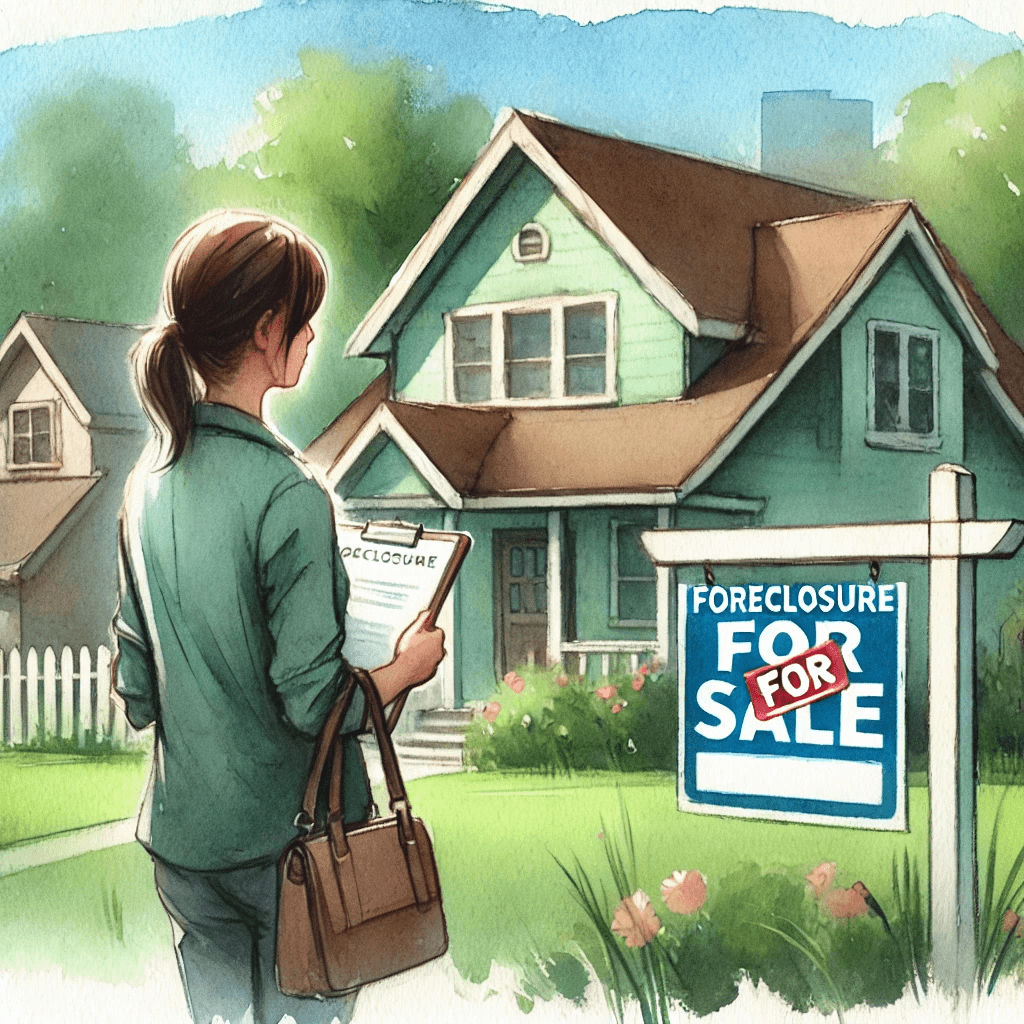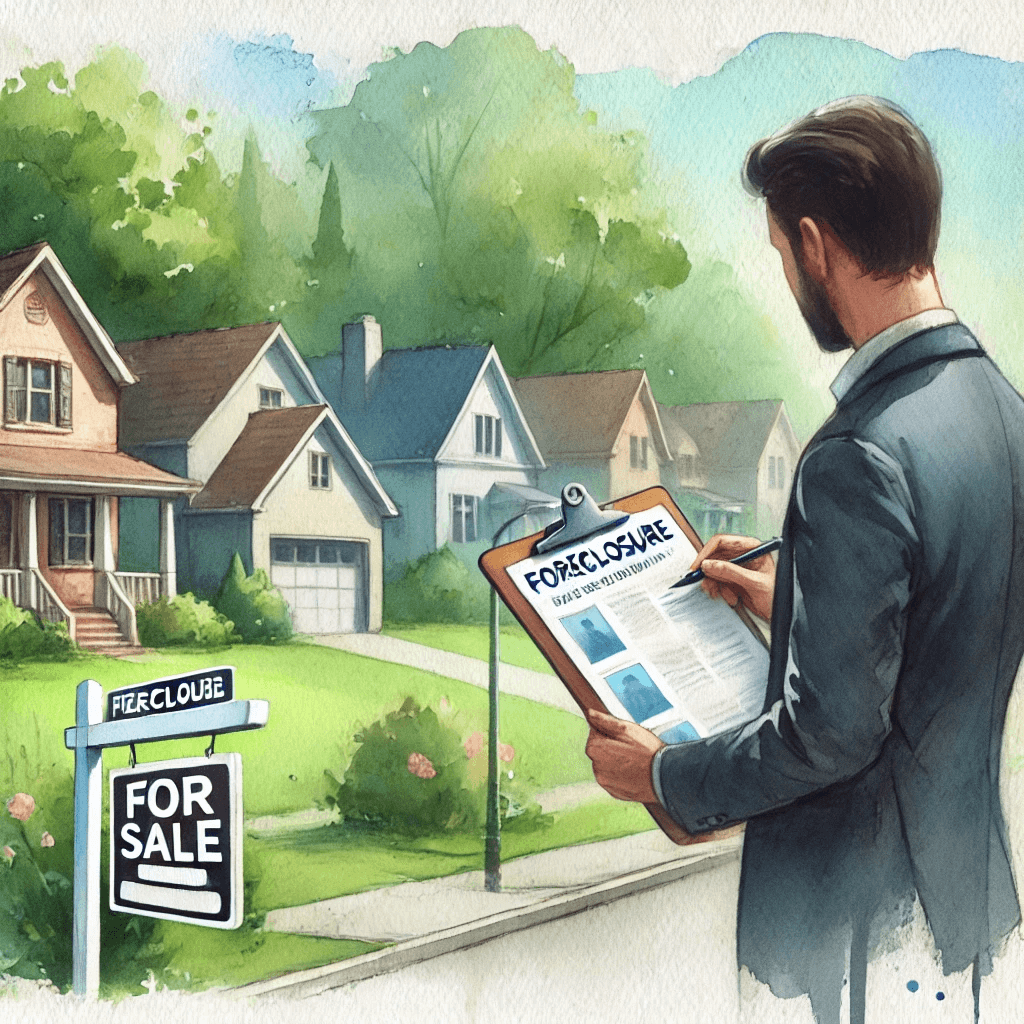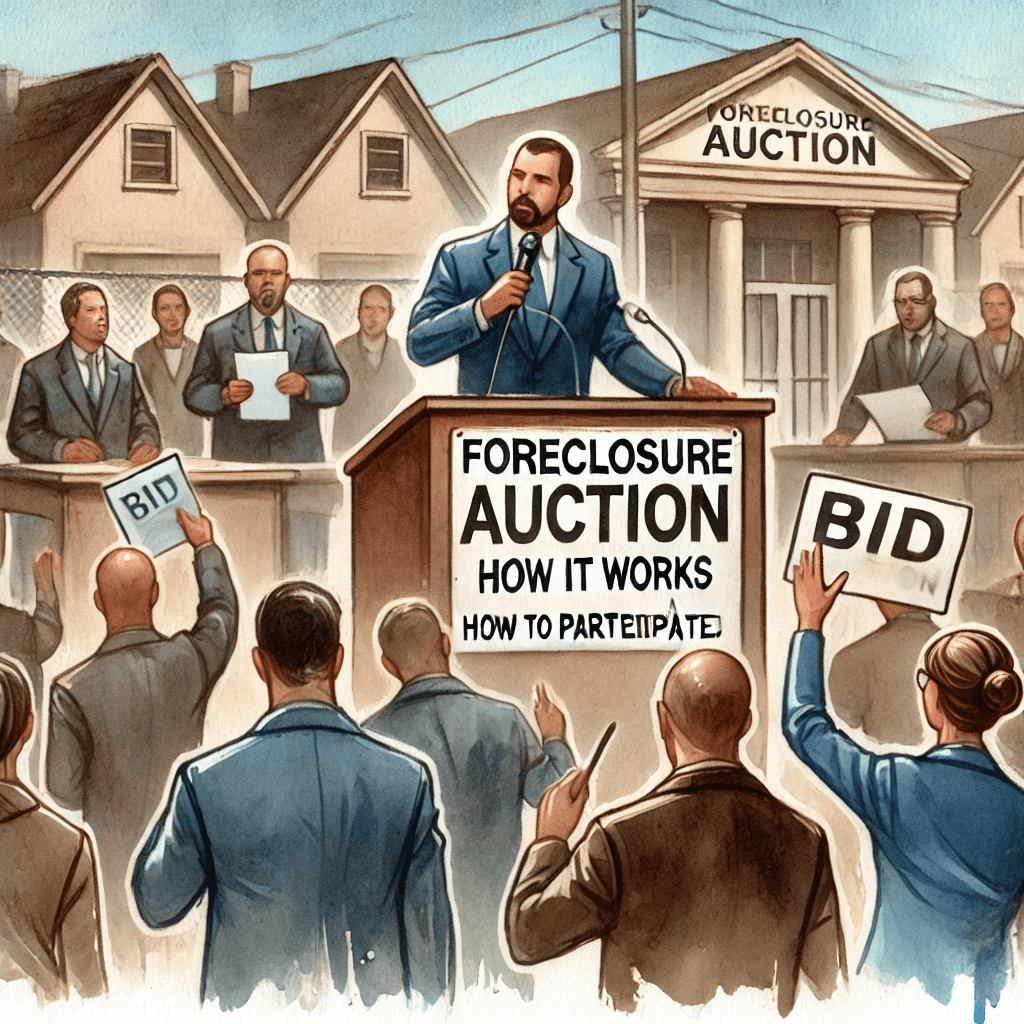
Foreclosure auctions can be one of the most effective ways to purchase real estate below market value. Whether you are a first-time homebuyer or an investor, understanding how foreclosure auctions work can help you find valuable opportunities — and avoid costly mistakes.
This guide explains how foreclosure auctions work, how to prepare, where to find listings, and what to expect during and after the bidding process. It also includes verified resources and internal links to help you take the right steps when searching for foreclosure homes.
What Is a Foreclosure Auction?
A foreclosure auction is a public sale of a property that a lender repossesses after the homeowner fails to make mortgage payments. Instead of keeping the property, the lender sells it at auction to recover the outstanding loan balance.
These auctions are often held by the local government, sheriff’s department, or through an online platform. Winning bidders can purchase homes for less than their market value — but success requires research, preparation, and clear understanding of the process.
How the Foreclosure Auction Process Works
1. The Pre-Foreclosure Stage
The process starts when a homeowner defaults on their mortgage. The lender sends a notice of default after several missed payments, giving the borrower time to pay what’s owed. If the debt remains unpaid, the lender proceeds with foreclosure and lists the property for auction.
2. Auction Announcement and Listing
Once scheduled, the auction details are published online and in public notices. You can find foreclosure listings through your local government or specialized websites.
If you want a complete guide on locating verified listings, check out our in-depth article: How to Find Government-Backed Foreclosure Listings.
3. Inspection and Research
Before the auction, potential buyers should research the property’s condition, market value, and any liens attached to it. Some auctions allow limited property inspections, while others sell “as is.”
Always investigate property tax history, neighborhood trends, and ownership details. In some regions, you can request documents from the county clerk or foreclosure office.
4. Registration and Deposit
To participate, bidders must register and submit a deposit, typically between 5%–10% of the starting bid. This ensures that only serious buyers join the auction. If you don’t win, your deposit is refunded.
5. The Auction Day
Foreclosure auctions can occur in person, at a courthouse, or online through platforms like Auction.com or Hubzu. Each property is introduced with a starting bid, and buyers place their offers until the highest bidder wins.
The winning bidder must pay the remaining balance within a specified period — usually within 24 hours to 30 days.
6. Transfer of Ownership
After payment, ownership transfers to the buyer through a sheriff’s deed or trustee’s deed. However, it’s crucial to note that these deeds may not automatically clear all liens, so buyers should conduct title searches before bidding.
Types of Foreclosure Auctions
1. Judicial Foreclosure
This process happens under court supervision. The lender must file a lawsuit, and the auction takes place under the direction of a judge.
2. Non-Judicial Foreclosure
This occurs when the mortgage includes a power-of-sale clause that allows lenders to sell the property without court involvement. Non-judicial sales are usually faster but follow specific state laws.
3. Sheriff’s Sale
A sheriff’s sale happens when a court orders the sale of a property to satisfy a debt or judgment. These sales are typically public, and details are often available on your county’s official website.
4. Tax Deed Sales
These occur when homeowners fail to pay property taxes. The local government auctions the property to recover the unpaid taxes.
Where to Find Foreclosure Auction Listings
Finding accurate and updated foreclosure listings is essential. Many websites claim to offer reliable data, but not all are legitimate.
Some verified sources include:
- Auction.com – One of the largest online platforms for foreclosure and bank-owned properties.
- HUD Home Store – Offers government-backed foreclosure listings.
- Foreclosure.com – Provides nationwide listings of foreclosed and pre-foreclosed homes.
- Local County Websites – Many counties list sheriff’s sales or tax deed auctions.
To learn more about how to find these properties effectively, read our article: How to Find Foreclosure Homes in Your Area.
How to Prepare for a Foreclosure Auction
1. Research Local Laws
Each state or region has different foreclosure laws. Understanding these regulations helps you avoid surprises during the purchase process.
2. Set a Budget
Know your maximum bid and stick to it. Foreclosure auctions can move quickly, and emotional bidding may lead to overspending.
3. Get Pre-Approved (If Financing)
Although most auctions require cash payments, some allow financing for qualified buyers. Pre-approval strengthens your position and speeds up the closing process.
4. Verify the Property Status
Confirm whether the property is occupied, vacant, or subject to redemption periods that allow the previous owner to reclaim it after sale.
5. Attend a Few Auctions First
Before bidding, attend several auctions as an observer. It will help you understand how bidding works and what to expect on the day you participate.
Risks and Challenges of Foreclosure Auctions
While foreclosure auctions can offer great deals, they also come with risks:
- Hidden Liens: Some properties may carry unpaid taxes or legal claims.
- Property Condition: Many homes are sold “as is,” without inspections.
- Redemption Periods: Some states allow previous owners to reclaim the property within a specific timeframe.
- No Guarantees: Winning a bid doesn’t always guarantee smooth ownership transfer.
Doing your research and consulting a real estate attorney can help minimize these risks.
Advantages of Buying at a Foreclosure Auction
- Potential for Below-Market Prices: You can often purchase properties for less than their appraised value.
- Investment Opportunities: Great for real estate investors looking to flip or rent homes.
- Fast Ownership Process: Once payment is made, ownership transfers quickly compared to traditional sales.
- Transparency: Auctions are public, ensuring a fair bidding process.
What Happens After Winning a Foreclosure Auction
After winning the bid and completing payment, make sure to:
- Obtain a certificate of sale or sheriff’s deed as proof of ownership.
- Record the deed with your local county office.
- Purchase title insurance to protect against undisclosed claims.
- Begin repairs or renovations if necessary.
If the property is still occupied, follow legal eviction procedures to avoid disputes.
Common Mistakes to Avoid
- Skipping title searches — You may inherit unpaid liens or back taxes.
- Failing to inspect — Always gather as much information as possible about the property’s condition.
- Not understanding terms — Each auction has unique rules and payment deadlines.
- Ignoring additional costs — Factor in taxes, repairs, and insurance.
Final Thoughts
Buying a home through a foreclosure auction can be one of the smartest ways to invest in real estate — if done correctly. With the right research, preparation, and understanding of how the process works, you can find hidden opportunities in the housing market.
Start by exploring verified listings and educating yourself with reliable resources. Read our related guides on How to Find Government-Backed Foreclosure Listings and How to Find Foreclosure Homes in Your Area to gain a strong foundation before bidding.
Whether you are searching for foreclosure listings, sheriff’s sales, or tax deed auctions, preparation is key. The more informed you are, the better your chances of securing a profitable deal in today’s market.